Table of Content
Many drugs can cause side effects, but only about 5 to 10 percent of reactions to medications are true allergies. Here are some possible causes, tips for relief, and signals that you should call your doctor. A warm compress reduces swelling and inflammation, which may soften the acne and bring the pus to the surface. To pinpoint the cause, a healthcare professional will likely ask about other symptoms, such as fever, and when those symptoms began.

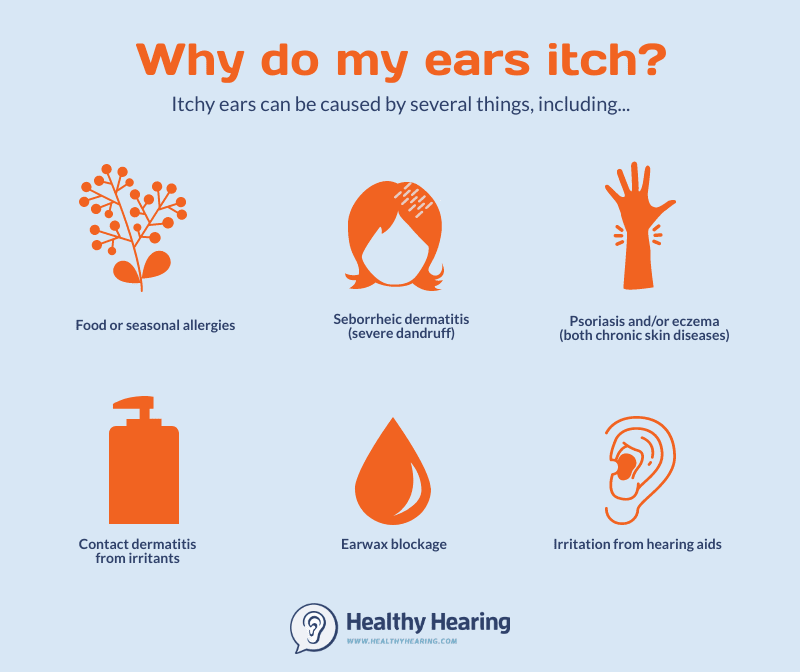
A buildup of earwax can cause itchy ears and affect a person’s hearing. In this article, learn about the causes of itchy ears, as well as which treatments and home remedies can help. You might be having a mild allergic reaction to something in your environment—even a new shampoo, or a new set of earrings.
Vinegar and Alcohol
You can also try a traditional blend of mullein oil and garlic. You can make your own by steeping mullein flowers and chopped garlic in olive oil over low heat for 4 hours, or you can purchase pre-made mullein garlic oil. Place a few drops into the affected ear 2-3 times per day. Using a swim cap helps keep the ears dry during swimming sessions or showers.

Ear contaminations caused by a cold or influenza may be caused by microscopic organisms and diseases. Contaminations may also occur when someone has water in their ear or develops earwax. In any event, remember that regardless of the reason for your painful ears, never insert anything into your ear to relieve the sensation. Discover what might be causing your itch and how to avoid making it worse. The best treatment is to avoid contact with nickel, but if you have mild symptoms, over-the-counter hydrocortisone cream and antihistamines can help. You may develop hives and have itching on other areas of your face, too.
Viruses and infections
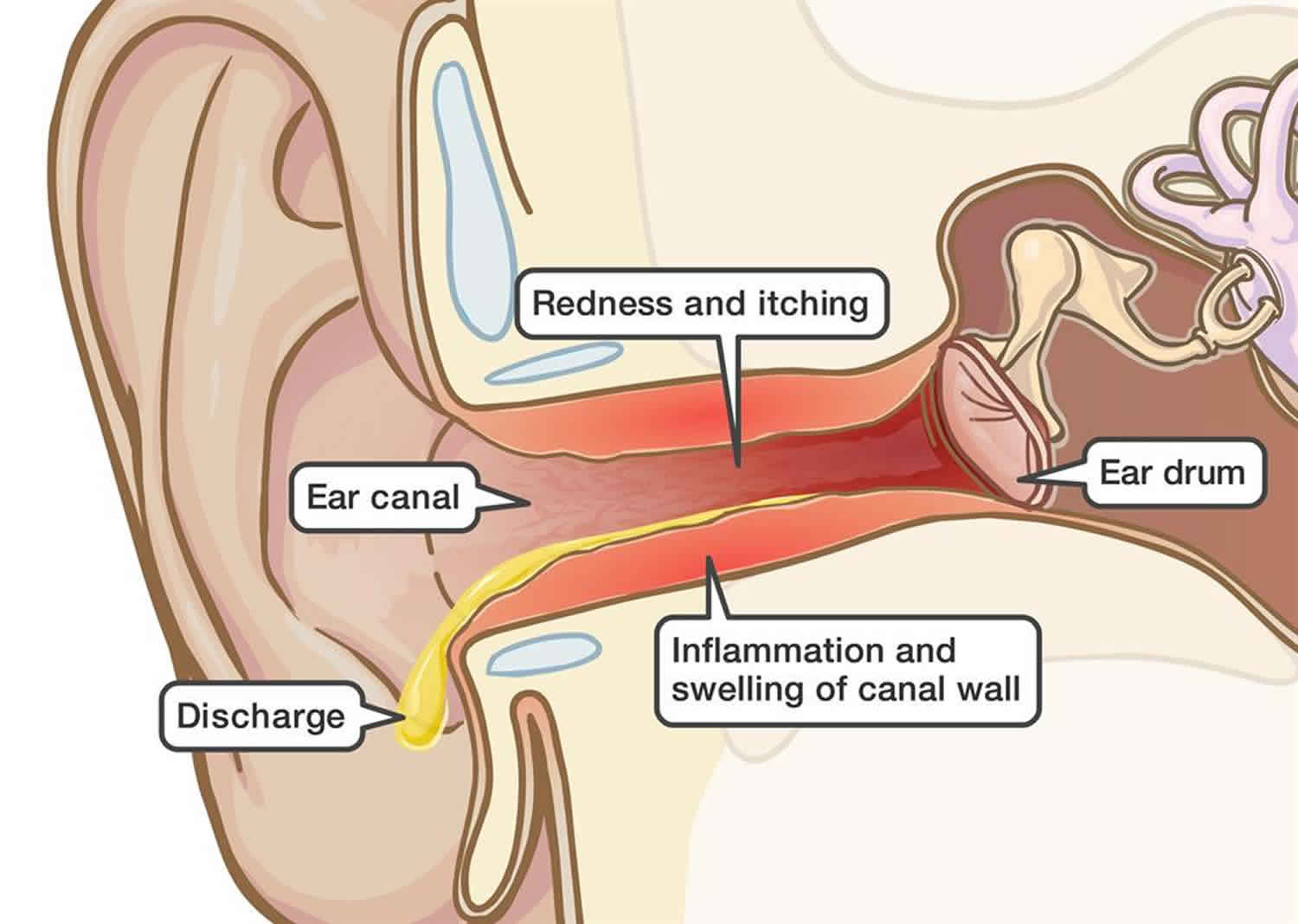
One kind, swimmer’s ear, can happen when water stays in your ear after you swim. Too much moisture wears away your ear canal’s natural layer of defense against germs. Itching in the ear is rarely serious, and can often be treated at home.
The first thing you should do to prevent itchy ears is stop sticking things in them. This includes cotton swabs, which can not only remove protective earwax but also damage the ear and push the wax in deeper, leading to greater discomfort. Instead of distilled white vinegar, apple cider vinegar may be utilized. The antibacterial characteristics of apple cider vinegar, when diluted, can help keep your inner and outer ears healthy.
Prevent Excess Liquid from Entering into Your Ear
These remedies do not harm your ears, and you don’t have to spend so much to get relief from itchy ears. But sometimes, itchy ears can lead to severe problems such as ear allergies or infections. In this case, you have to consult an E.N.T. specialist. Ear itchiness is not a severe problem, but it can sometimes lead to severe issues. To avoid such scenarios, consult a doctor and do accordingly.
There are several essential oils that can be used to treat itchy ears. These oils can be great in providing relief and soothe itchy ears. These include coconut oil, vegetable oil, olive oil, and tea tree oil that has been diluted. To apply these oils you can simply heat one teaspoon of oil full to a comfortable temperature. Take a dropper, tilt your head to the side, and use it to place several drops in your ear. After about a minute or two straighten your head back up to clear the oil out and clean up the excess with a tissue.
Secondly, the hearing aid can trap moisture in the ear causing an infection. If you do and are struggling with itchy ears, see your doctor. There is a possibility that you might be having an allergic reaction to the hearing aid. Also, it is important to get your hearing aid correctly fitted for your ear. Wearing a hearing aid that does not fit properly can cause irritation and itchiness. Being itchy is something that happens to people of all ages, and while this can be a nuisance, when it’s your ear that is itchy, getting relief can be difficult.

Use a cotton ball, some warm water, and mild soap to gently clean the outside of your ears. Keeping the outside clean will help keep debris and allergens out of your ear canal, and keep your ear from feeling irritated. Ear wax protects your ear canal from water and infection. Using a cotton swab or anything smaller to clean it out will actually only create more problems for your ears.
Also, if you have a damaged eardrum, do not use ointments or ear drops unless a doctor prescribes them. Ear canal dermatitis can be the result of an allergic reaction to products in or near your ear, such as personal care products or metal in your earrings. We do tend to itch our ears if it is bothering us. Some of us feel embarrassed to itch our ears in public areas. But the fact is that unnecessary ear itching can happen anytime in public or private places.
Use 1 part light vinegar to 1 part rubbing alcohol. Mix them together then, use a plastic syringe or ear bulb to place a few drops of this solution into your ear. Excess ear wax may be the cause of pain or irritation. This process can be done with a warm compress or water bottle. It becomes a threat to hearing if hard objects are used to itch the ear. Itching the ear irritates and damages the skin further.
They will be able to see how much wax is in your ear, and you won’t risk damaging the delicate parts of your inner ear. Knowing the reasons for the itchy inner ear can help determine which home remedy to use and how to prevent it from recurring. The skin in the inner ear is delicate and sensitive. Reduction of irritation in the ears involves keeping the ears dry. Always keep your cell phone and earphones clean, as they can contribute to an ear infection. Seasonal allergies can cause the ear to become itchy and irritated due to the histamine release that follows the exposure to offending substances.

In most cases, it is possible to relieve the itchy ear by using safe natural remedies. It is also important to know what causes itchy ears because then it is possible to prevent itchy ears from developing in the future. However if you cannot cure your itchy ears, you’ll need to consult with your doctor about it. If your ears itch deep inside, skin conditions such as eczema and psoriasis may be the cause. Primary indications of these conditions are itchiness, irritation, and swelling.
The bugs moving around in the ear can irritate the skin. The risk is higher if the skin in the ears is broken or scratched. Water getting into ears leaves moisture, which is an ideal reproduction area for bacteria. Protect your ears from irritants by putting cotton balls in your ears while applying products such as hair sprays and hair dyes. Tilt the affected ear upward, pull the outer ear up and back, and then squeeze 2-3 drops of this solution into the ear. Tilt your head upright and pull the outer ear up and back to straighten the ear canal.

If you’re having trouble breathing after eating any of these foods, you may be experiencing anaphylaxis and should seek treatment immediately. These are signs of an infection, which can harm your ears or damage your hearing. Itchiness is one early symptom of an ear infection. “Your ear canal is lined with skin like the rest of your body, so eczema and psoriasis may also show up there,” Dr. Woodson explains.


No comments:
Post a Comment